

What Is a Long Drum Dryer?
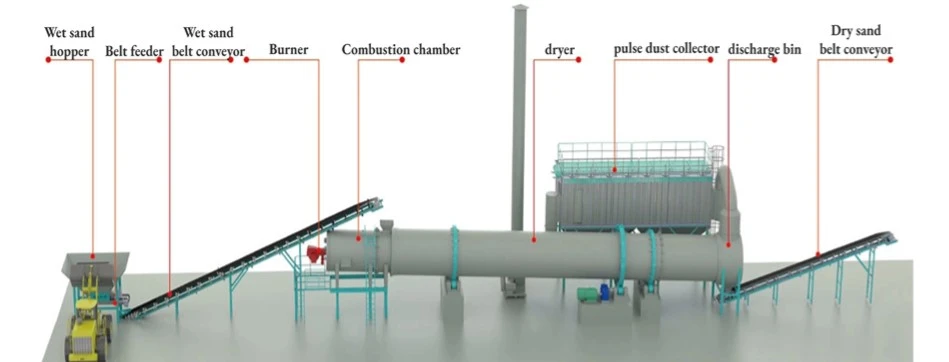
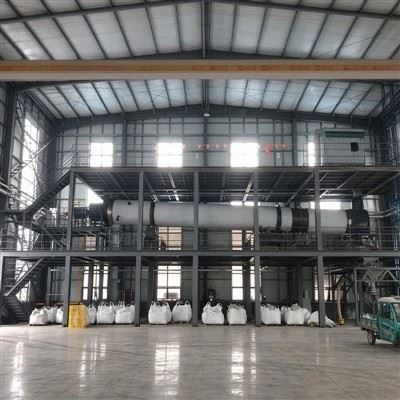
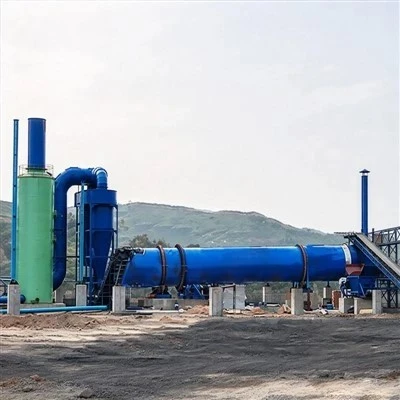
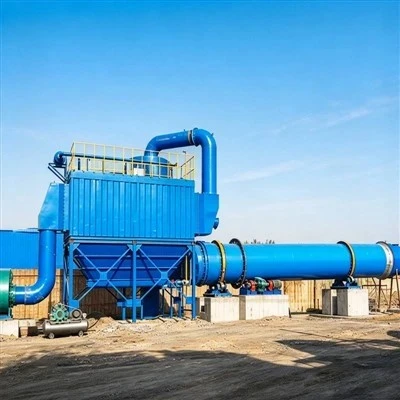
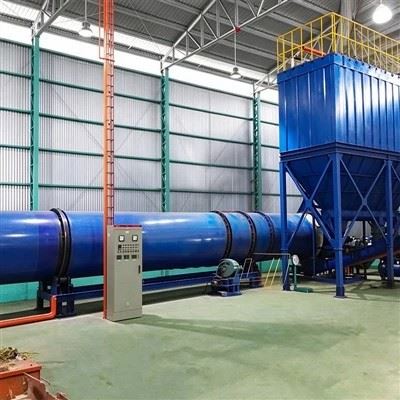
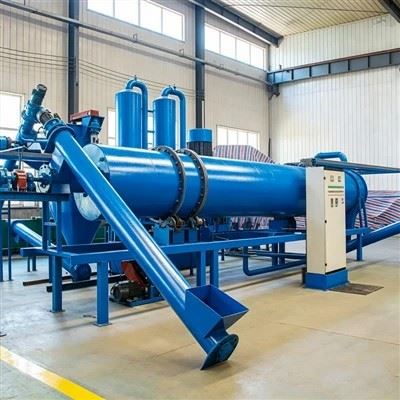
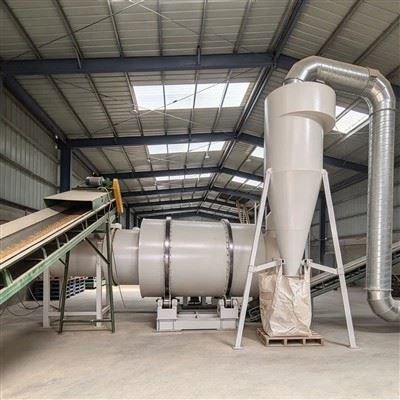
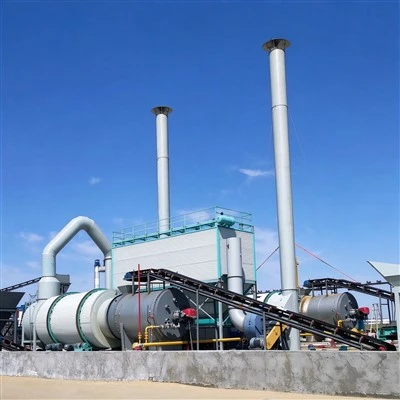
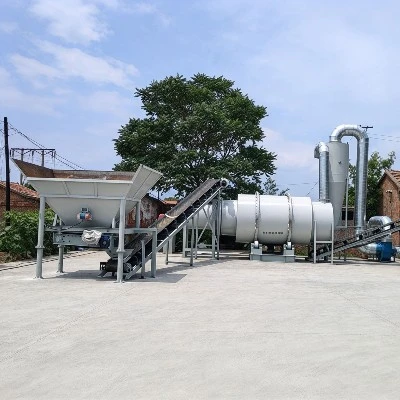
A long drum dryer is a continuous industrial drying machine built around a long, inclined, rotating cylinder. It is also known as a single drum dryer or rotary drum dryer.
During operation, wet materials enter the rotating cylinder and move along its length. Internal lifting blades raise and spread the materials, forming a material curtain inside the drum. Hot air passes through the material curtain, allowing heat transfer and moisture evaporation.
As the cylinder rotates, the materials gradually move toward the discharge end. The dried product then leaves the drum and enters the next processing stage.
Unlike a three-pass dryer, which uses three concentric cylinders, a long drum dryer uses one main drying cylinder. Its length, diameter, internal blade arrangement, rotational speed and heating system can be selected according to the material and required drying capacity.
How Does a Long Drum Dryer Work?
A long drum dryer uses cylinder rotation, internal lifting blades and hot air to dry wet materials in a continuous process.
The working process generally includes the following stages:
1. Wet Material Feeding
Wet materials enter the feed end through a hopper, belt conveyor or other feeding device. The feeding system is selected according to the material's moisture content, particle size and flow characteristics.
2. Lifting and Material Movement
As the drum rotates, the internal lifting blades raise the materials and allow them to fall through the hot air stream.
The blade design and arrangement affect how the material spreads, how long it stays inside the drum and how fully it contacts the hot air.
3. Heat Exchange and Moisture Removal
Hot air transfers heat to the wet material. Water evaporates and leaves the drum with the exhaust gas.
The heating system, airflow, drum speed and material feed rate all affect the drying result.
4. Discharge and Dust Collection
Dried materials leave the discharge end and enter the next process. A dust collection system handles dust carried by the exhaust air.
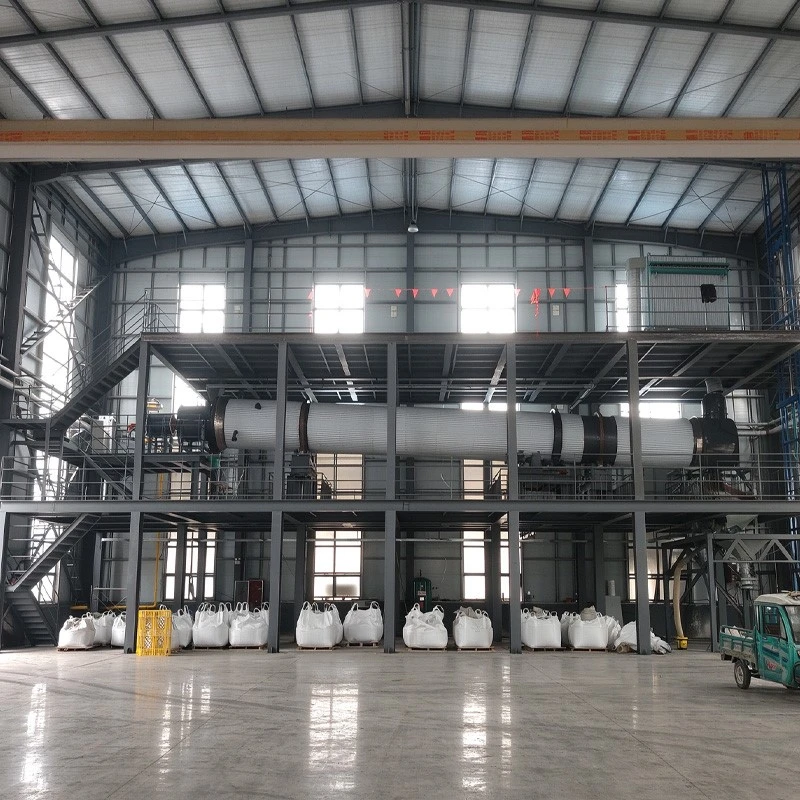
Depending on the production requirements, the discharge section can connect to a screening machine, air classification system, conveyor or storage silo.
Which Materials Can a Long Drum Dryer Process?
A long drum dryer can be designed for many wet and sticky materials. Its internal blade structure and operating parameters need to match the material's physical properties.
Material Category | Typical Materials
Sand and minerals | River sand, yellow sand, sea sand, quartz sand, iron concentrate
Mining and metallurgy | Blast furnace slag, lead-zinc tailings, mineral sludge, raw coal
Industrial minerals | Lithium mica, kaolin, clay, gypsum
Industrial by-products | Fly ash, coal slime, sludge
Agricultural materials | Chicken manure, grain
Other materials | Traditional Chinese medicine residue
Not every material can use the same drum configuration. Moisture content, viscosity, particle size, heat sensitivity, abrasiveness and dust characteristics should be checked before equipment selection.
For example, sticky sludge and clay may need a special blade arrangement and an anti-sticking structure. Sand and mineral materials may require wear-resistant internal parts. Materials with special chemical or thermal properties need a separate process review.
Sea sand note: A drying machine removes moisture but does not remove salt. If the finished sea sand needs desalination, a washing and freshwater treatment process is required.
Main Design Features of a Long Drum Dryer
The drying result depends not only on the heat source and drum size, but also on the internal structure and supporting system.
1. Combined Lifting Blade System
The combined lifting blade system raises and spreads wet materials inside the rotating cylinder. It forms a more uniform material curtain, allowing hot air to contact the material more fully.
The internal blade arrangement can be adjusted according to material properties. An anti-sticking structure can be used for materials that tend to adhere to the drum wall.
This design helps control material movement and residence time inside the drum.
2. Self-aligning Support Rollers
The self-aligning support roller structure keeps the rollers and riding rings in line contact during operation.
This arrangement helps reduce uneven contact, local wear and mechanical power loss. It also supports smoother drum rotation.
3. Drive System with Reduced Axial Thrust
The support roller and gear arrangement is designed to reduce horizontal thrust during drum operation.
With a suitable mechanical layout, the drive system can operate with lower power demand. The actual power reduction depends on the equipment size, load and operating conditions.
4. Rotational Speed Matched to Material Properties
Different materials need different movement and drying conditions.
Drum speed affects how materials are lifted, scattered and moved toward the discharge end. The rotational speed is selected according to material characteristics, moisture content, drum dimensions and required output.
5. Dust Collection and Sealing
A dust collection hood is installed at the exhaust end to collect dust carried by the hot air.
The discharge section can use a counterweight air-lock hopper to limit air leakage. A self-following sealing structure is designed to withstand wear and operating temperatures, helping reduce unwanted air loss.
The dust collector and sealing arrangement should be selected according to the material, exhaust volume and local emission requirements.
6. Anti-sticking and Anti-breakage Design
For high-viscosity materials, a drum tapping device can help reduce material buildup on the inner wall.
A transfer anti-breakage device can be used where material breakage needs to be controlled. Its actual effect depends on material strength, particle size and process layout.
7. Integrated Air Classification
For projects that require post-drying classification, an air classification system can be connected to the dryer discharge.
This arrangement allows dried materials to move directly into the classification and conveying process, reducing the need for separate material handling steps.
Long Drum Dryer vs. Three-Pass Dryer
Both machines use a rotating drum and hot air for continuous drying, but their cylinder structures are different.

Comparison | Long Drum Dryer | Three-Pass Dryer
Main structure | One long rotating cylinder | Three concentric cylinders
Material movement | Through one main drum | Through three connected drying passages
Internal parts | Lifting blades matched to the material | Internal guide and lifting plates
Installation | Usually inclined | Can use a horizontal arrangement, depending on design
Design focus | Drum length, blade layout and material residence time | Three-pass heat exchange and compact equipment layout
Material selection | Depends on drum design and process conditions | Depends on the three-pass structure and process conditions
The two machines should not be treated as interchangeable. The right choice depends on the material, inlet and outlet moisture, required output, available installation space, fuel source and project budget.
What Should You Check Before Selecting a Long Drum Dryer?
Before choosing a long drum dryer, the buyer should prepare the following information:
Material name: Sand, sludge, clay, coal slime, mineral concentrate or another material.
Feed moisture: The moisture content of the material before drying.
Target moisture: The required moisture content after drying.
Processing capacity: Required wet feed capacity or finished dry product capacity per hour.
Particle size: Maximum feed size and particle size distribution.
Material properties: Viscosity, abrasiveness, bulk density and heat sensitivity.
Heat source: Coal, pulverized coal, natural gas, diesel, biomass fuel or firewood.
Site conditions: Available floor space, installation height, power supply and local environmental requirements.
These details help determine the drum dimensions, internal blade arrangement, heating system, feeding equipment, dust collector and discharge configuration.
TONGDING Long Drum Dryer Design
TONGDING provides long drum drying equipment for industrial materials such as sand, minerals, clay and sludge.
The internal lifting blades and their arrangement can be designed according to the properties of the material being processed. The mechanical structure, feeding method, heating system and dust collection configuration can be matched to the project requirements.
For a drying project, the equipment proposal should be based on the actual feed moisture, target moisture, hourly capacity, material characteristics and available heat source.
Frequently Asked Questions
1. What is another name for a long drum dryer?
A long drum dryer is also called a single drum dryer or rotary drum dryer. These names refer to a drying machine that uses one rotating cylindrical drum.
2. How does a rotary drum dryer dry wet materials?
The drum rotates while internal lifting blades raise and spread the wet materials. Hot air passes through the falling material, transferring heat and removing moisture.
3. Can a long drum dryer process sticky materials?
Yes, it can be designed for certain sticky materials, including clay, sludge and coal slime. The internal blade arrangement, drum speed and anti-sticking structure need to match the material.
4. Can one dryer process different materials?
A dryer may process more than one material, but the material properties and operating conditions must be checked. Some projects require changes to the internal blades, feeding system or operating parameters.
5. What heat sources can be used?
The heating system can be designed for coal, pulverized coal, diesel, natural gas, non-carbonized biomass fuel, carbonized biomass fuel or firewood. The available fuel and local operating conditions affect the final configuration.
6. Does a long drum dryer remove salt from sea sand?
No. A dryer removes moisture, not dissolved salt. Sea sand that needs desalination requires a suitable washing and freshwater treatment process.
7. What is the difference between a long drum dryer and a three-pass dryer?
A long drum dryer uses one main rotating cylinder, while a three-pass dryer uses three concentric cylinders to form three drying passages. Their structures, heat transfer paths and installation layouts are different.
8. What information is needed for a dryer quotation?
The supplier needs the material name, feed moisture, target moisture, required capacity, particle size, heat source and installation location. A material sample or test data can help with process evaluation.
Request a Long Drum Dryer Proposal
If you are planning a sand, mineral, sludge or other industrial drying project, send TONGDING the basic material and production information.
The engineering team can review the material properties and discuss a suitable drum structure, heating system, feeding arrangement and dust collection configuration.
Send your project details:
Material to be dried:
Feed moisture:
Required final moisture:
Required capacity (t/h):
Maximum feed particle size:
Available heat source:
Project location:
Contact details:
TONGDING can use this information to prepare a preliminary equipment proposal for your project.