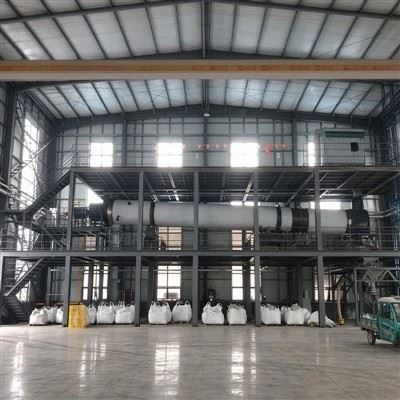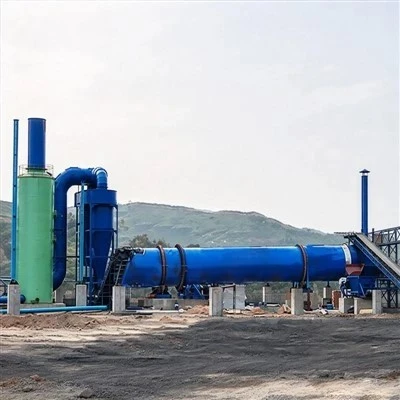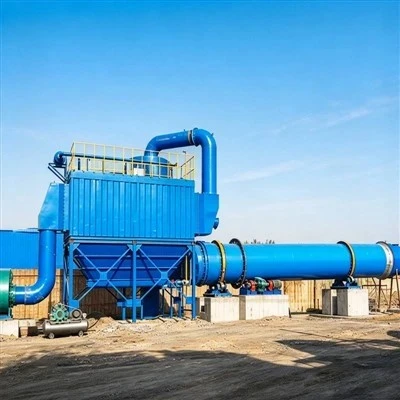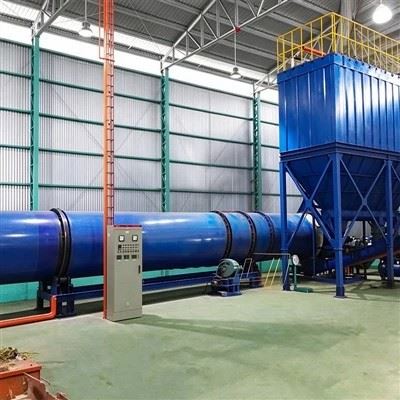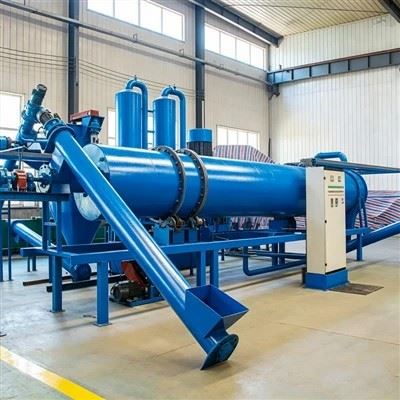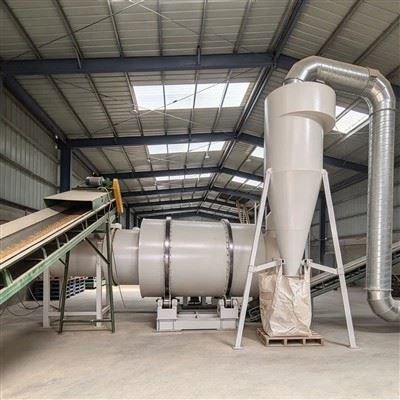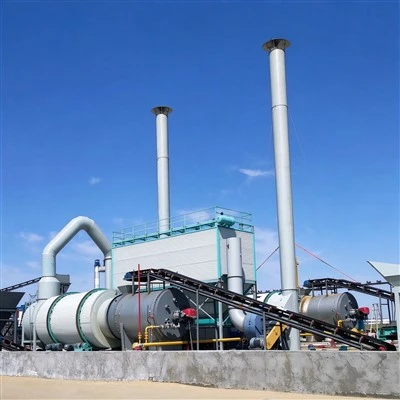


What Is a Triple Cylinder Rotary Dryer?
A triple cylinder rotary dryer is an industrial drying machine designed to remove moisture from sand, mineral materials and other granular or powdery products.
It uses a three-cylinder structure to create a continuous drying passage. During operation, wet materials move through the rotating drum while internal lifting plates repeatedly raise and scatter the material. Hot air passes through the falling material, transferring heat and removing moisture.
Compared with a conventional single-drum dryer, the triple-cylinder design uses three concentric cylinders to arrange the drying passage in a compact structure. This design can reduce equipment footprint while providing a suitable heat exchange path for industrial drying.
The machine can be configured for river sand, quartz sand, sea sand, foundry sand, tailings sand, iron ore sand, mineral powders and other materials. The drum structure, lifting plates, heating system and dust collector should be selected according to the actual material and production requirements.
Working Principle of a Triple Cylinder Rotary Dryer
A rotary dryer plant combines four main processes: heat supply, material drying, exhaust gas treatment and finished product discharge.
1. Heat Supply
A combustion system provides hot air for the drying process. Depending on the project, the heat source can use natural gas, biomass fuel, diesel or another suitable fuel.
The hot air temperature is controlled according to the material's moisture content, heat sensitivity and drying requirements.
2. Material Lifting and Heat Exchange
Wet materials enter the drum through the feeding system.
As the drum rotates, the multi-bend lifting plates repeatedly raise and scatter the materials. This creates a material curtain across the drum section, allowing hot air to pass through and contact the wet material.
Water evaporates during this process, and the material gradually moves toward the discharge end.
3. Exhaust Gas and Dust Treatment
The exhaust gas is drawn into the dust collection system by an induced-draft fan, creating negative pressure inside the drying system.
A pulse bag filter can collect dust carried by the exhaust gas. Collected dust may be returned to the production process when its properties and product specifications allow it.
The final emission level depends on the dust collector configuration, material characteristics, operating conditions and local environmental standards.
4. Finished Product Discharge
After drying, the material leaves the drum through the discharge section and enters the next production stage.
Depending on the plant layout, the finished product can be conveyed to a vibrating screen, air classifier, storage silo or another processing unit.
The temperature, moisture and system pressure can be monitored through an automatic control system.
Materials Processed by a Triple Cylinder Rotary Dryer
TONGDING triple cylinder rotary dryers can be designed for a range of construction sands, mineral materials and industrial bulk products.
| Material Category | Typical Materials |
|---|---|
| Construction sand | River sand, sea sand, yellow sand, quartz sand |
| Foundry and industrial sand | Foundry sand, plate sand, steel sand, frac sand |
| Mining materials | Tailings sand, copper ore sand, iron ore sand |
| Colored and specialty minerals | Colored sand, fluorite powder |
| Industrial mineral powders | Potash feldspar powder, sodium feldspar powder |
| Other bulk materials | Other suitable building materials and industrial granular products |
The machine configuration depends on feed moisture, final moisture, particle size, material density, abrasiveness and required output.
For materials with high viscosity, fine particles or special thermal properties, a separate process evaluation is needed before confirming the dryer design.
Five Main Features of a Triple Cylinder Rotary Dryer
1. Uniform Drying Through Combined Lifting Blades
The combined lifting blade system raises and scatters the material during drum rotation.
Its layout is designed to form a more uniform material curtain, allowing hot air to pass through the material more fully. The blade shape and arrangement can be matched to the physical properties of sand and other materials.
For suitable materials and agreed operating conditions, the drying system is designed to target drying uniformity above 95% and a moisture deviation of no more than 1%. These figures should be confirmed through project-specific testing.
2. Multi-bend Lifting Plates for Heat Exchange
The patented multi-bend sand lifting plates help spread materials across the drum section.
The design supports better hot air contact and reduces areas where materials may fall in concentrated streams. Compared with the reference structure used in the design evaluation, heat exchange efficiency may improve by approximately 25%. The actual result depends on the material, airflow, drum configuration and test conditions.
3. Zoned Drying Process
The drying process can be arranged into three operating zones:
High-temperature zone: Provides the heat needed for initial moisture removal.
Temperature-control zone: Continues drying while controlling material temperature.
Cooling zone: Reduces the temperature of the dried material before discharge.
This arrangement helps control the drying process and reduces the risk of overheating heat-sensitive materials.
The actual temperature profile is set according to material properties and the required finished product condition.
4. Reduced Drive Power and Heat Loss
The zero axial thrust drive design reduces axial movement of the rotating cylinder and helps lower the load on the support rollers.
The system also uses sealing structures to limit cold air entering the drum and hot air escaping from the drying section.
Under suitable comparison conditions, the drive power reduction can exceed 30% against the selected reference design. Fuel use and heat loss depend on the combustion system, material moisture, airflow and operating conditions.
5. Dust Collection and Automatic Monitoring
The rotary dryer can be equipped with a pulse bag filter to collect dust from the exhaust gas.
An automatic control system can monitor key operating data, including:
Hot air temperature
Material moisture, where suitable online instruments are installed
System negative pressure
Equipment operating status
These monitoring points help operators follow the drying process and make operating adjustments.
Energy Sources for Industrial Rotary Dryers
The heat source has a direct effect on operating cost, site requirements and the drying system layout.
Common options include:
| Heat Source | Project Considerations |
|---|---|
| Natural gas | Requires a suitable gas supply and combustion system |
| Biomass fuel | Fuel type, moisture and particle size need to be checked |
| Diesel | Suitable fuel storage and supply arrangements are required |
| Other industrial fuels | Subject to fuel properties and combustion system design |
The selected heat source should match local fuel availability, energy prices, environmental requirements and the required drying temperature.
For a project quotation, buyers should provide their preferred fuel type and any restrictions on fuel use at the installation site.
How to Select a Suitable Rotary Dryer Plant
Choosing a rotary dryer based only on its hourly capacity may lead to an unsuitable configuration. The following information should be checked before equipment selection.
Material type
Specify whether the material is river sand, quartz sand, sea sand, foundry sand, tailings sand or another industrial material.
Feed moisture and target moisture
Provide the moisture content before drying and the required moisture level after drying. These figures determine the water evaporation load.
Required capacity
Clarify whether the requested capacity refers to wet material entering the dryer or dried product leaving the system.
Particle size
Provide the normal particle size range and maximum feed size. This helps determine the feeding arrangement and internal lifting plate design.
Heat source
Confirm whether the project uses natural gas, biomass, diesel or another fuel.
Site and environmental conditions
Provide the installation location, available space, power supply and local exhaust emission requirements.
With these details, the dryer structure, combustion system, feeding equipment, dust collection system and finished product conveying arrangement can be evaluated as one plant.
Triple Cylinder Rotary Dryer vs. Single Drum Dryer
Both machines use a rotating cylinder and hot air to remove moisture, but their internal structures and drying passages are different.
| Comparison | Triple Cylinder Rotary Dryer | Single Drum Dryer |
|---|---|---|
| Main structure | Three concentric cylinders | One long rotating cylinder |
| Drying passage | Three connected passages | One main drying passage |
| Equipment layout | Compact arrangement | Usually requires a longer drum layout |
| Internal structure | Multi-bend guide and lifting plates | Lifting blades designed for the material |
| Design focus | Three-cylinder heat exchange and compact layout | Drum length, material movement and residence time |
| Selection factors | Material properties, moisture, capacity and available space | Material properties, moisture, capacity and drum dimensions |
Neither structure is suitable for every drying project. The choice should be based on the material, feed and final moisture, required output, fuel source and site conditions.
TONGDING Industrial Rotary Dryer Plant
TONGDING supplies rotary drying equipment for construction sand, mineral materials and other industrial bulk products.
The dryer can be configured with a feeding system, combustion chamber, rotating drum, dust collector and finished material conveying equipment.
For projects requiring further processing, the drying line can also be connected to screening, air classification or storage equipment.
Each project should be evaluated according to its actual material properties and production targets. This helps determine the drum configuration, lifting plate layout, heat source, dust collection capacity and supporting equipment.
Frequently Asked Questions
1. What is a triple cylinder rotary dryer used for?
It is used to dry granular and powdery materials such as river sand, quartz sand, foundry sand, tailings sand, iron ore sand and selected mineral powders.
2. How does a triple cylinder rotary dryer work?
Wet materials move through the rotating drum and are repeatedly lifted and scattered by internal lifting plates. Hot air passes through the material, allowing moisture to evaporate. Exhaust gas is treated by a dust collection system before discharge.
3. What is the purpose of multi-bend lifting plates?
Multi-bend lifting plates raise and spread materials inside the drum. They help form a material curtain and improve contact between the material and hot air.
4. Which heat sources are available?
The heating system can be designed for natural gas, biomass fuel, diesel and other suitable fuels, subject to local fuel conditions and project requirements.
5. Can a rotary dryer process quartz sand and foundry sand?
Yes. Both can be considered for rotary drying. The equipment configuration depends on feed moisture, particle size, required output, final moisture and material characteristics.
6. Does a rotary dryer need a dust collector?
An industrial rotary drying plant normally needs an exhaust gas and dust treatment system. A pulse bag filter is one available option. Its capacity and configuration should match the exhaust volume and local emission requirements.
7. Can the rotary dryer operate automatically?
Yes. An automatic control system can monitor operating temperature, negative pressure and other selected process data. The monitoring scope depends on the control system and instruments supplied.
8. What information is needed to receive a rotary dryer quotation?
Provide the material name, feed moisture, target moisture, required capacity, particle size, heat source and project location. These details help the engineering team review the required equipment configuration.
Request a Rotary Dryer Plant Proposal
Are you planning a sand drying or mineral drying project?
Send TONGDING your material and production details for a preliminary equipment review.
Project information:
Material name:
Feed moisture:
Required final moisture:
Required capacity (t/h):
Particle size:
Heat source:
Working hours per day:
Project location:
Contact information:
TONGDING can review the process requirements and prepare a suitable rotary dryer plant proposal based on your project data.