
Robot Body Structure
Material and Rigidity: The robot body is typically constructed from cast aluminum, offering high overall rigidity; this supports sustained, high-speed cyclic operations and allows for a high maximum payload capacity.
Mainstream Structural Types: Designs fall into two categories: articulated (linkage-based) and Cartesian (rectangular coordinate). Articulated robots offer flexible movement and a wide working range, while Cartesian robots provide structural stability and high positioning accuracy.
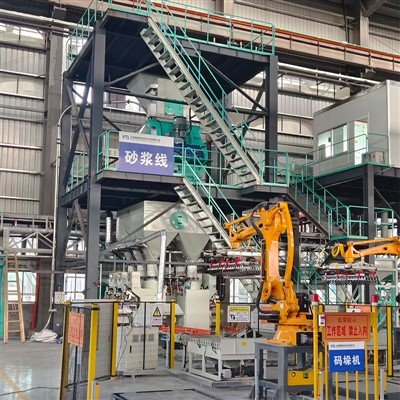
Layout Advantages: The compact structural design allows for flexible installation and a small footprint, enabling the completion of the entire palletizing process within a limited area.
Core Actuation Mechanisms
End-Effector (Gripper):As a critical component, the end-effector is usually pneumatically driven and integrates various mechanisms-such as clamping, grasping, and vacuum suction-to accommodate diverse packaging formats, including boxes, bags, and drums.
Drive and Joint Design: High-precision servo motors drive the movement of each joint, ensuring smooth and reliable operation. The palletizing process is fully automated, requiring no manual intervention during normal operation.