
Pre-operation Precautions
Parameter Verification: Confirm that the robot's payload capacity and reach match the weight and dimensions of the materials to be palletized; overloading is strictly prohibited.
Equipment Inspection: Check that robotic arm joints move smoothly without binding or abnormal noise and that reducer lubricant levels are adequate; ensure safety devices-such as emergency stop buttons and safety light curtains-are responsive and functional.
Material and Pallet Alignment: Secure pallet positioning fixtures to ensure pallet coordinates align with the robot's palletizing path, and clear the work area of all obstacles.
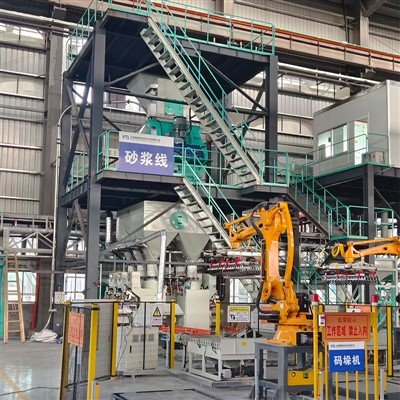
Safety Confirmation: Define the robot's operating radius and install warning signs; verify that safety fences are fully closed, light curtains are functioning correctly, and no personnel remain within the zone.
Operational Precautions
No-load Test Run: Perform at least three no-load test cycles after startup to verify motion trajectories, gripper clamping force, and synchronization with the conveyor line; proceed to load-bearing operations only if no anomalies are detected.
Standardized Operation: Adjust motion speed and cycle times strictly according to preset programs; avoid sudden acceleration, abrupt stops, or unauthorized parameter changes to prevent dropped materials or impact damage to the equipment.
Real-time Status Monitoring: Monitor the gripping process continuously via sensors; immediately press the emergency stop button to troubleshoot if issues such as unstable gripping or skewed pallet stacks occur.
Prohibition of Unauthorized Entry: Personnel are strictly prohibited from lingering or performing concurrent tasks within the robot's range of motion; during commissioning, the machine must be stopped and switched to "teach mode" with safety interlocks engaged.