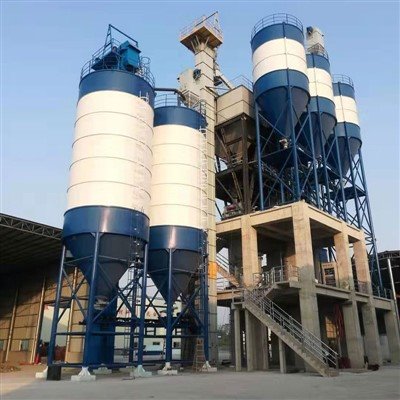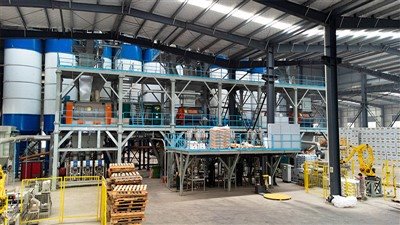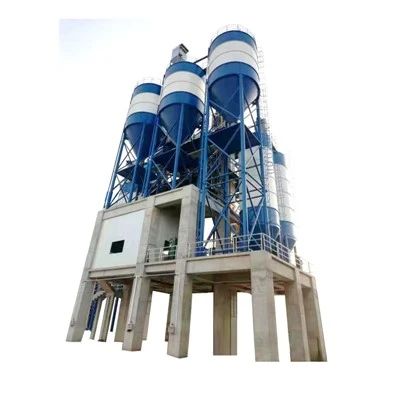

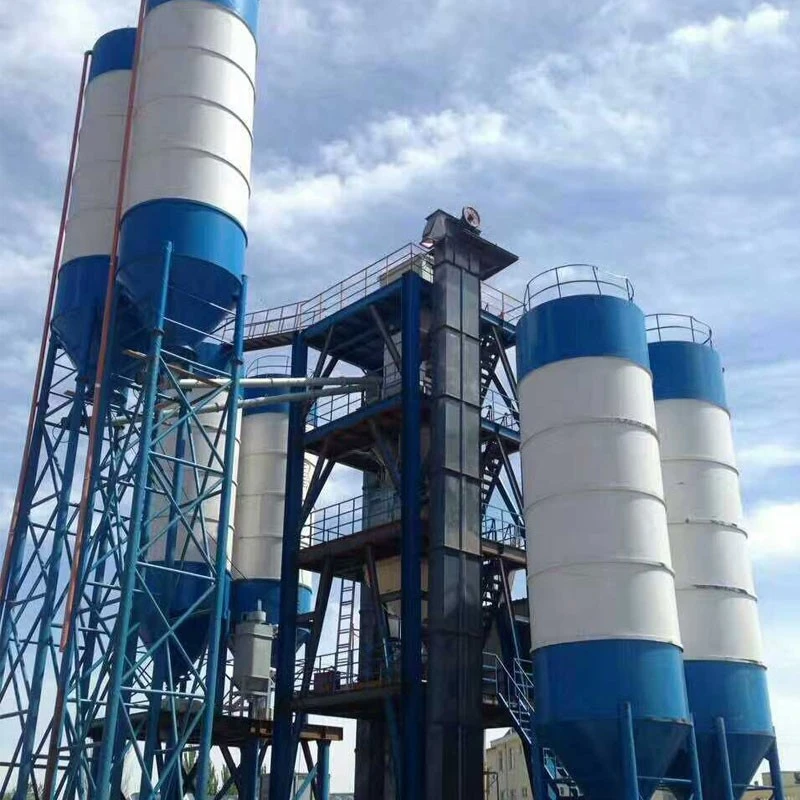
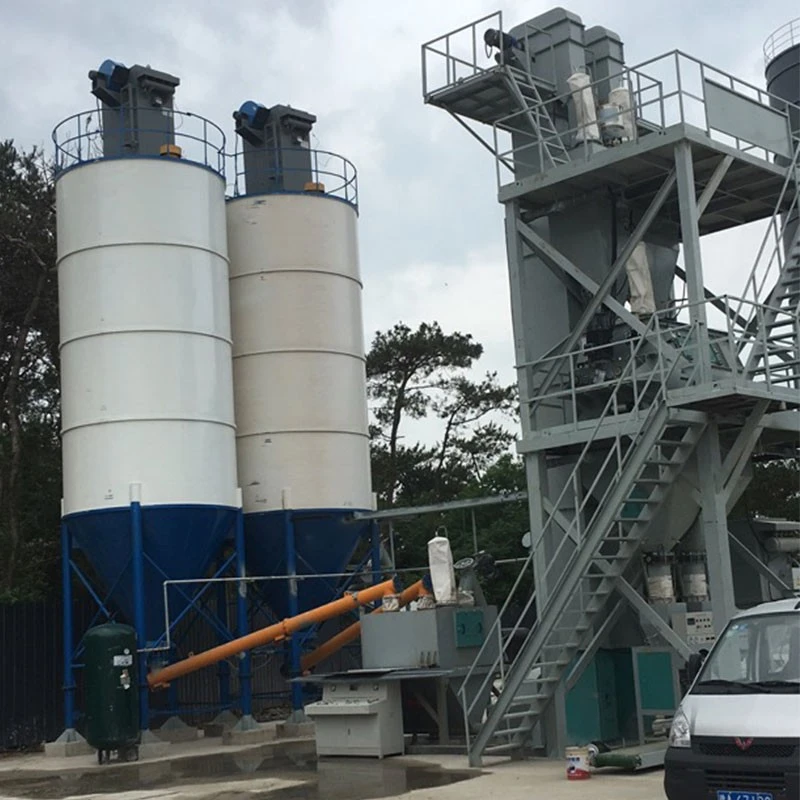
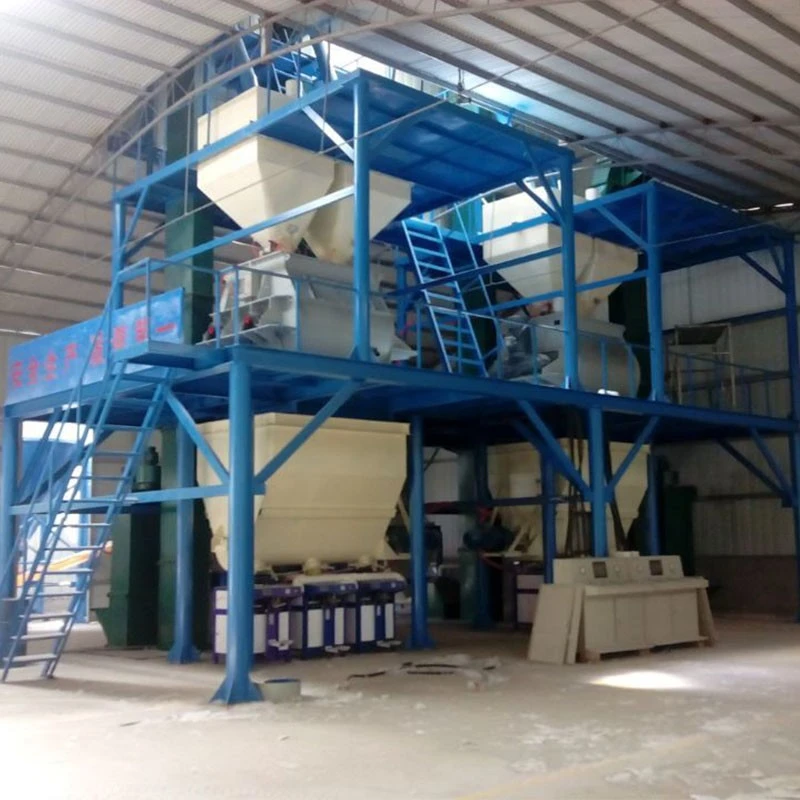
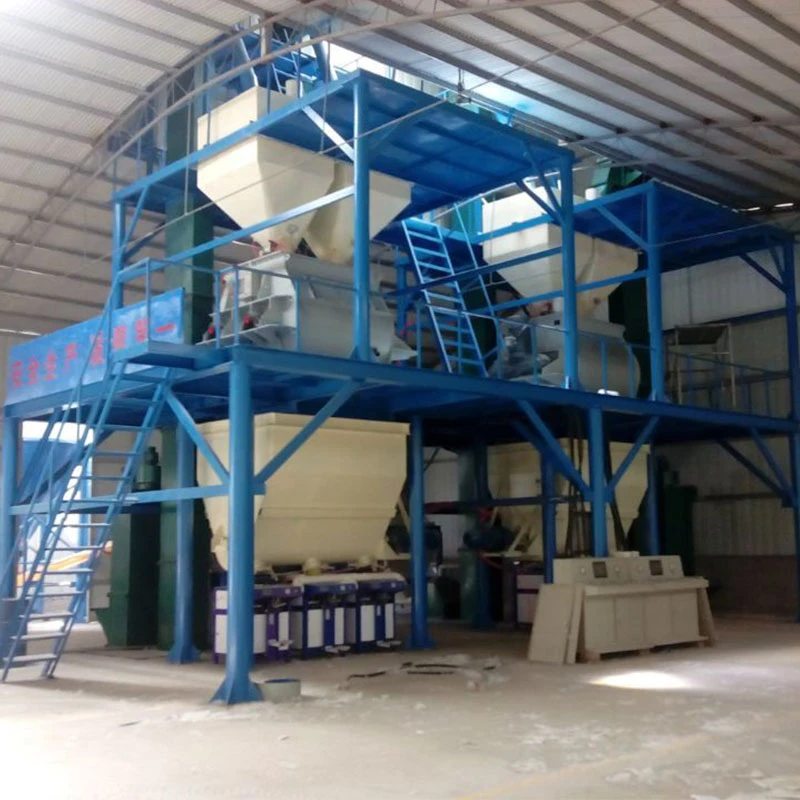
Zhengzhou Tongding Machinery Equipment Co., Ltd. is one of the leading manufacturers and suppliers of anti-crack mortar production line in China. We are committed to providing high quality customized products with competitive price. If you're going to buy durable anti-crack mortar production line made in China, welcome to get pricelist from our factory. 5 years warranty is available.
Product Introduction
Anti-Crack Mortar is a special dry-mixed mortar specially applied for building wall insulation systems and substrate protection. It is mainly used for surface protection of insulation boards and insulation layers, as well as anti-crack treatment for wall surfaces. Its core function is to improve the integrity and crack-resistance of the insulation system, and reduce cracking caused by temperature variation, substrate shrinkage and external stress.
Anti-crack mortar generally consists of cement, quartz sand or other graded sand, mineral fillers, together with functional additives such as redispersible polymer powder, cellulose ether and polypropylene fiber. Although fibers and functional additives are used in relatively small dosages, they exert great influence on crack resistance, bond strength, flexibility and workability of the finished product. Therefore, high requirements are placed on accurate batching and homogeneous mixing during production.
Product Features
1. Precise Batching for Stable Crack-Resistance
Equipped with high-accuracy dosing systems, the production line accurately meters cement, sand, fillers and small-dose functional additives to ensure stable formula ratios for every batch.
2. Homogeneous Mixing for Full Dispersion of Fibers and Additives
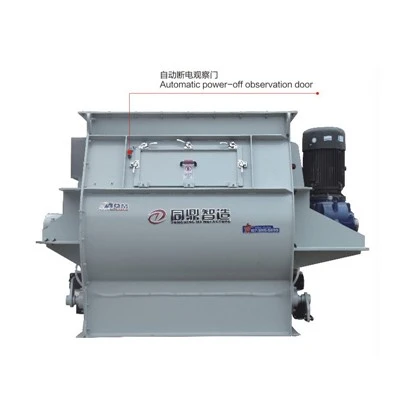
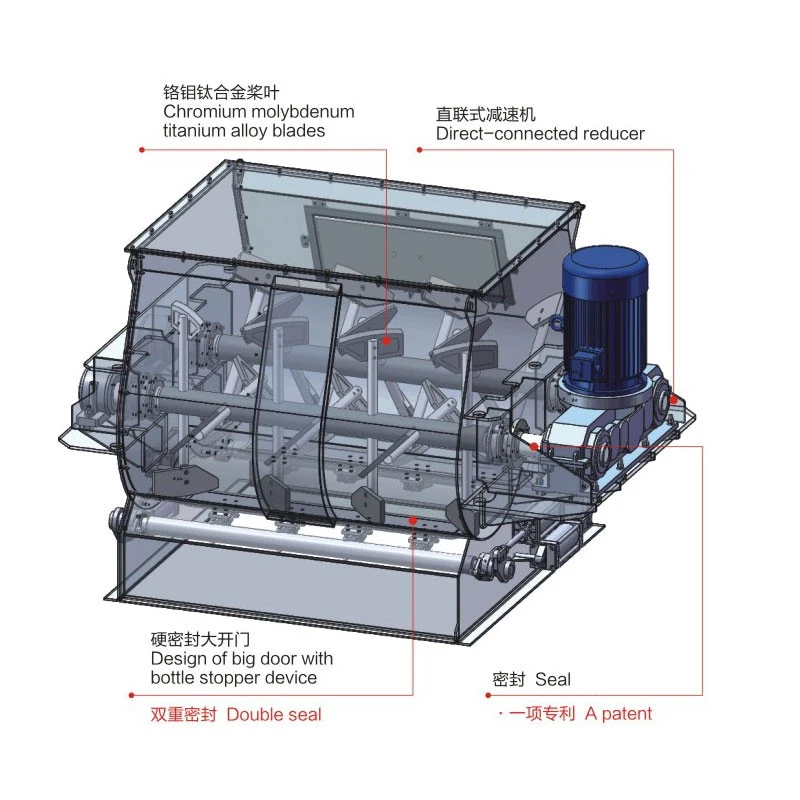
The high-efficiency twin-shaft gravity-free mixer achieves sufficient dispersion of various powders, sands and fibers. It reduces local agglomeration and uneven distribution of additives, so as to enhance the overall performance consistency of end products.
3. Preserve Fiber Structure and Minimize Production-Induced Damage
For reinforcing materials including polypropylene fiber and glass fiber contained in anti-crack mortar, conveying and mixing processes are optimized to lower excessive shearing and mechanical impact. This helps maintain fiber integrity and good dispersion effect.
4. Automated Production for Higher Efficiency
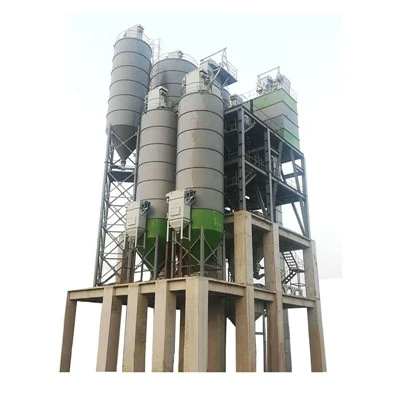
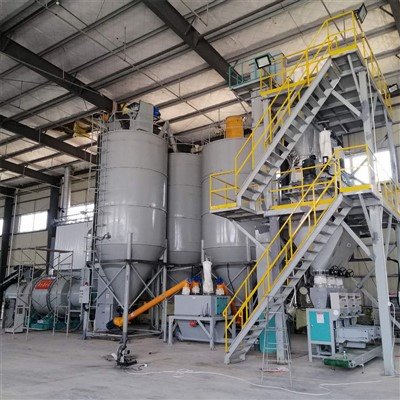
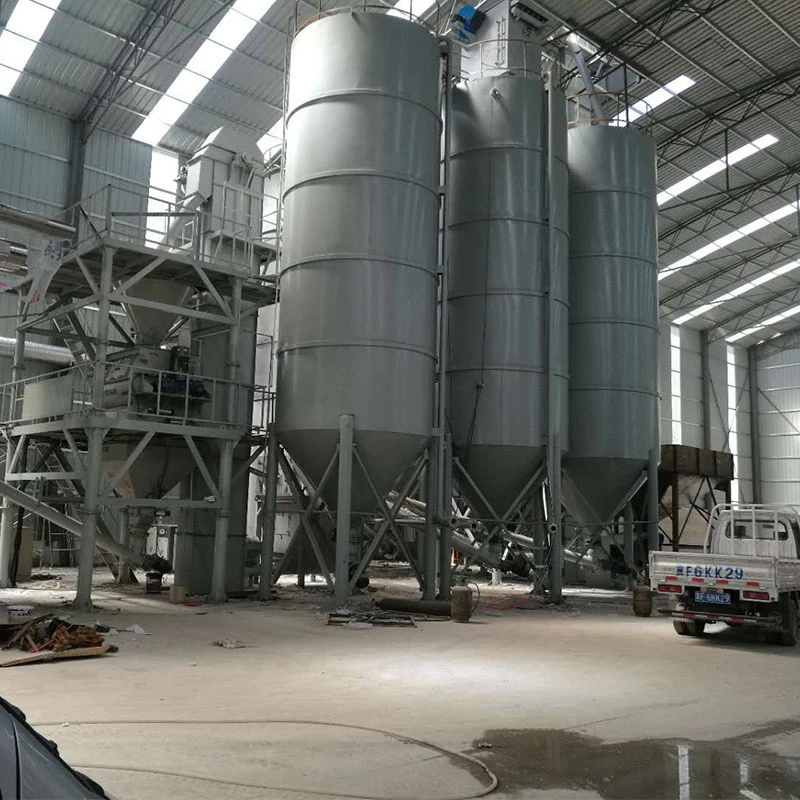
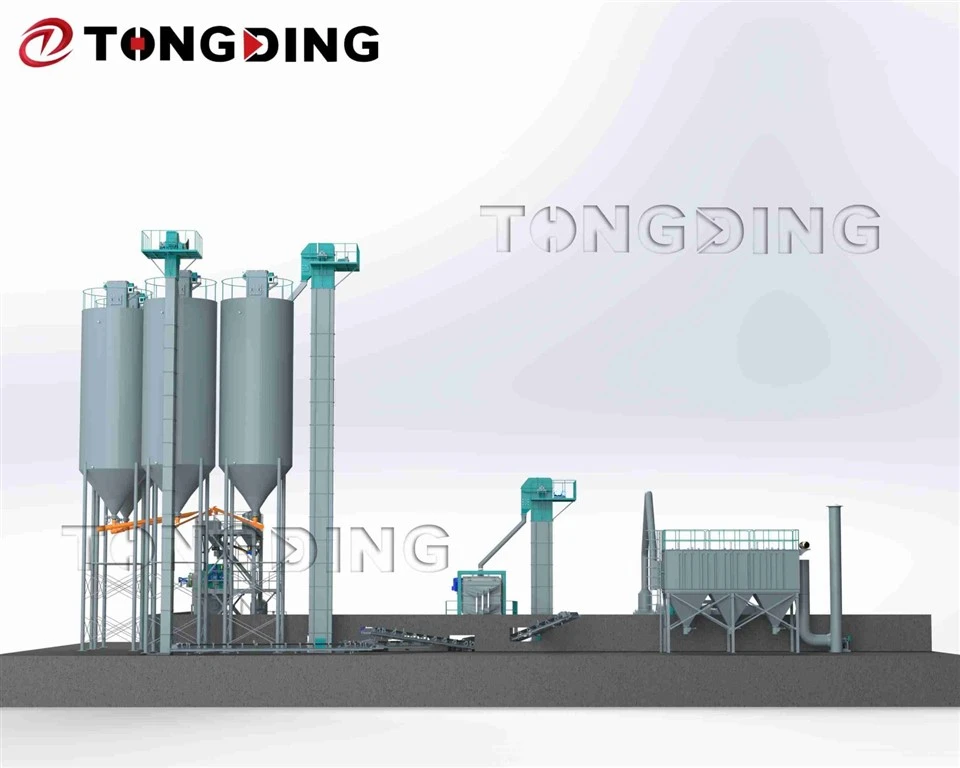
The production line realizes continuous and automatic operation covering raw material storage, conveying, dosing, mixing and finished-product packaging. It cuts manual intervention and improves both production efficiency and product quality stability.
5. Flexible Compatibility with Various Anti-Crack Mortar Formulas
It can produce different types of anti-crack mortar according to customers' formulas. Partial production equipment can be shared with other dry-mixed mortar products such as thermal insulation mortar, bonding mortar and plastering mortar, improving the overall utilization rate of the production line.
Production Process Flow
Drying → Lifting → Batching → Lifting → Mixing → Weighing & Packing
Drying
The wet raw materials are dried to reduce their moisture content to the required level for dry mortar production.
Lifting
The dried raw materials are conveyed and lifted into the corresponding storage silos by a bucket elevator or pneumatic conveying system.
Batching
According to the preset formulation, the raw materials are discharged from the silos and conveyed by screw conveyors to the weighing and batching bins for accurate weighing and proportioning.
Lifting
After all raw materials have been accurately batched, the weighed materials are lifted and transferred into the pre-mixing bin by a bucket elevator.
Mixing
The batched materials are discharged from the pre-mixing bin into the twin-shaft mixer, where they are thoroughly and uniformly mixed.
Weighing & Packing
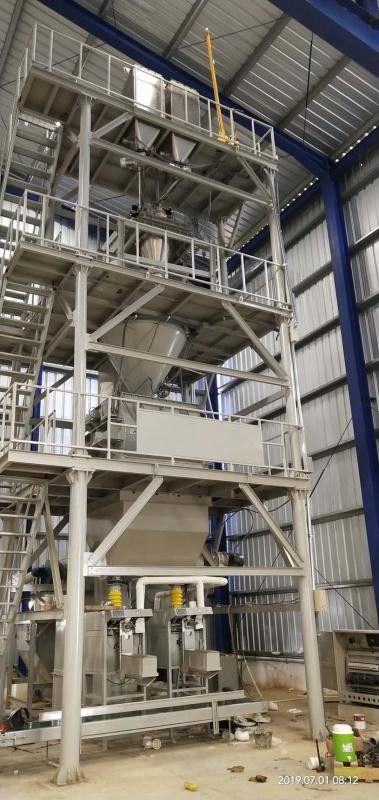
After mixing, the finished dry mortar is discharged into the finished product bin and then fed into the automatic weighing and packing machine for accurate weighing and packaging.
Key Advantages
Labor-saving
The complete production and packing system can be operated with only 4 workers under normal working conditions.
Continuous Operation
The entire mixing system is designed for continuous and efficient operation, helping improve production efficiency and reduce downtime.
Accurate Batching
The automatic weighing and batching system ensures accurate material proportioning according to the required formulation.
Uniform Mixing
The twin-shaft mixer provides fast and homogeneous mixing, ensuring consistent product quality.
Specification and Parameter
|
Model |
Capacity (T/H) |
Volume (m3) |
Loading Factor |
Power (KW) |
Rotary speed (r/min) |
Mixing time (min) |
Dimension(L*W*H) (mm) |
|
|
WSZ2 |
10-15 |
2 |
0.4-0.6 |
18.5 |
43 |
0.5-3 |
2460*1640*1520 |
|
|
WSZ3 |
15-25 |
3 |
22 |
2850*1640*1520 |
||||
|
WSZ4 |
25-40 |
4 |
30 |
29 |
2800*2110*1950 |
|||
|
WSZ6 |
60-120 |
6 |
45 |
3130*2470*2120 |
||||
|
WSZ10 |
100-170 |
10 |
55 |
3600*3000*2510 |
||||
|
The type of mortar that can be produced by a machine |
||||||||
|
1.Masonry mortar |
2.Plastering mortar(bottom) |
|||||||
|
3.Floor mortar |
4.Adhesive mortar(stupid board glue) |
|||||||
|
5. Wall tiles adhere to mortar |
6.Caulking agent mortar(black) |
|||||||
|
7.Caulking agent mortar(cream-coloured) |
8.Caulking agent mortar(white) |
|||||||
|
9.Seaming agent mortar |
10.General non-shrinkage grouting material |
|||||||
|
11.Thermal mortar |
12.Glue for tile ,good cement |
|||||||
|
13.Self-leveling mortar |
14.Inter facial mortar |
|||||||
|
15.Cement plaster mortar |
16.Whitewashed plaster(bottom) |
|||||||
|
17.Waterproof paint |
18.External putty powder |
|||||||
|
19.Internall wall putty powder |
20.Emulsion varnish |
|||||||
|
21.Really stone paint |
22.Other powder material |
|||||||
Main advantages of the equipment
Discharge door
The discharge door adopts soft and hard double sealing form, no gap, no leakage;
The large open door discharge port can quickly discharge the material without residue;
The unloading door adopts 4-cylinder linkage, the opening speed is fast, and there is no residue;
The discharge door and the wall of the cylinder are all ground with conical high precision to make them tightly combined.
Mixing Blade
The gap between the blade and the bucket is less than 5mm;
Mix evenly, discharge material clean.
Mixing platform
All steel welded, high durability. At site simply need to connect the legs (screw fixation);
Installation is simple, saving time;
Disposable hanging truck assembly, reduce lifting cost.
Mixing Blade
Exclusive use of high wear-resistant precision cast alloy steel OARS.
The blade is durable and the blade is 20 mm thick.
Motor
Five-star motor: copper standard stator, high silicon steel rotor, high efficiency to 87.7% even to 92.6%.
Mixer blade
The main shaft is machined by lengthening lathe.
High concentricity greatly reducing bearing and density.
The abrasion of seal.
Hot Tags: anti-crack mortar production line, China anti-crack mortar production line manufacturers, suppliers