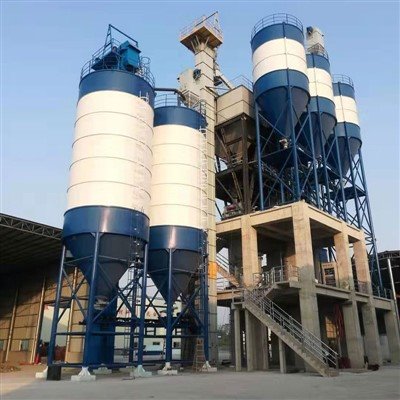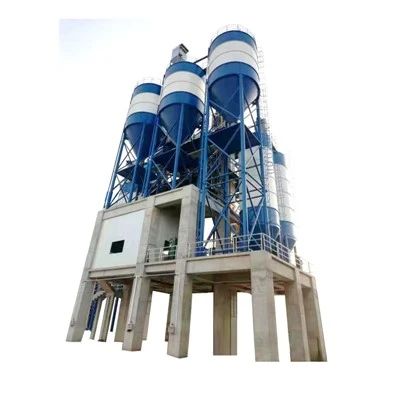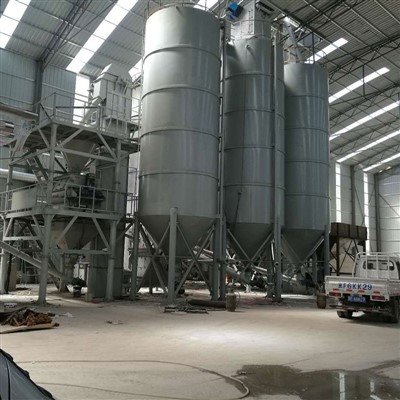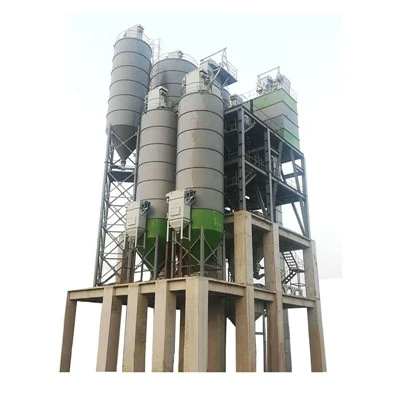

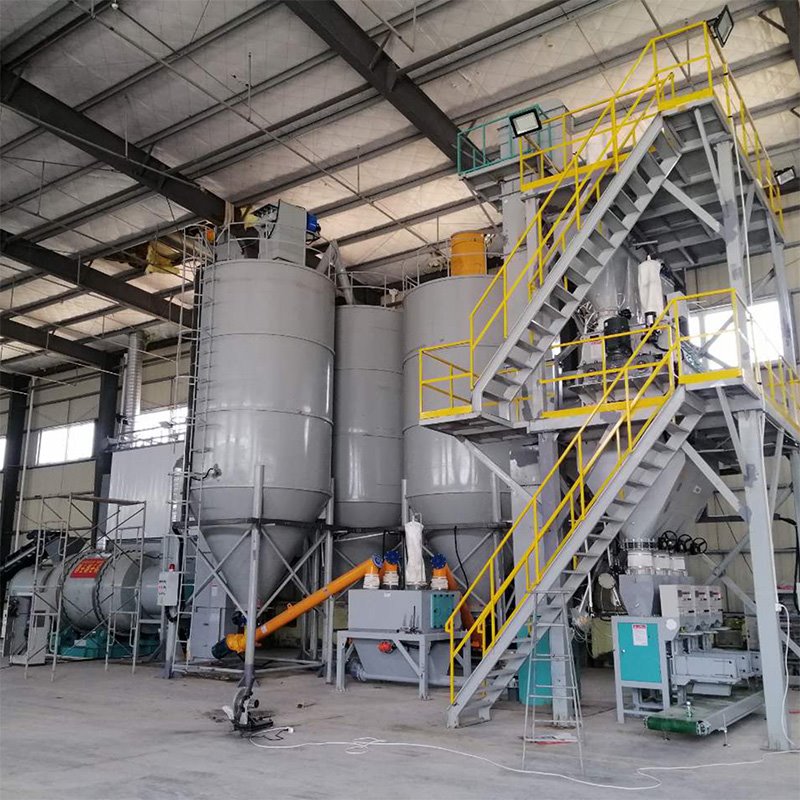
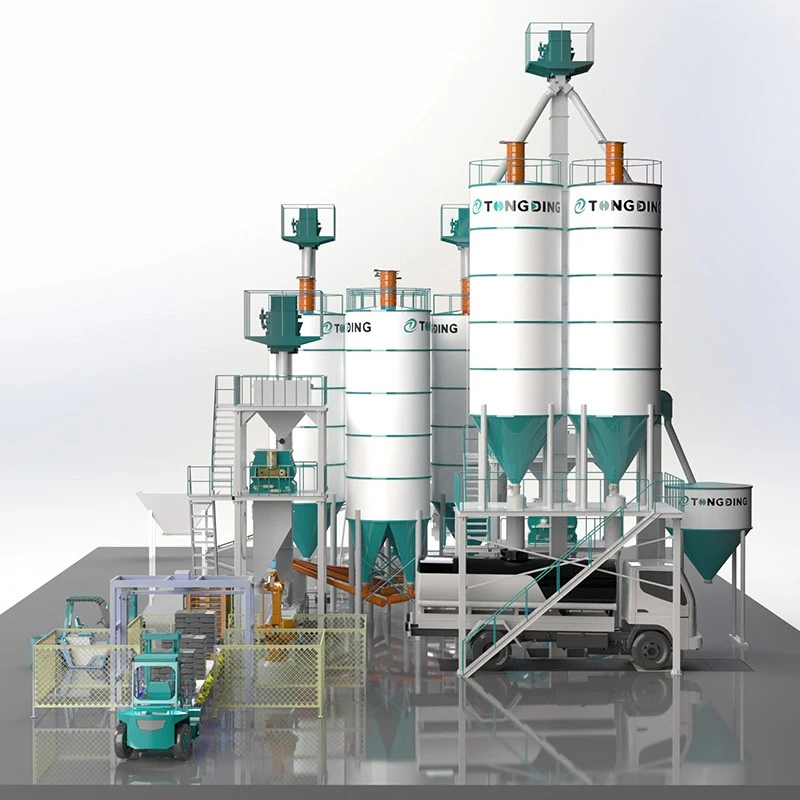
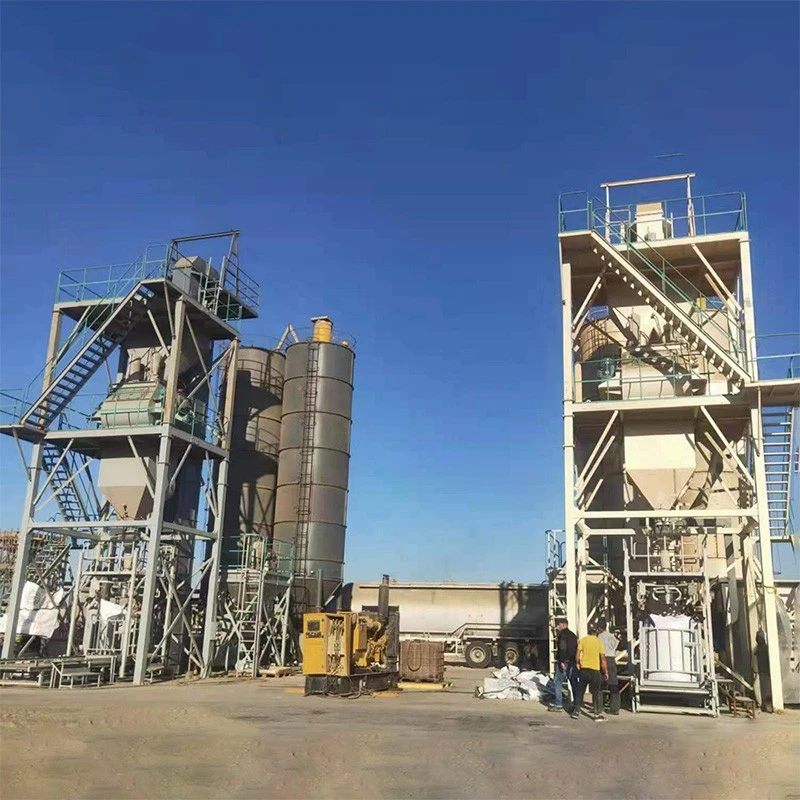
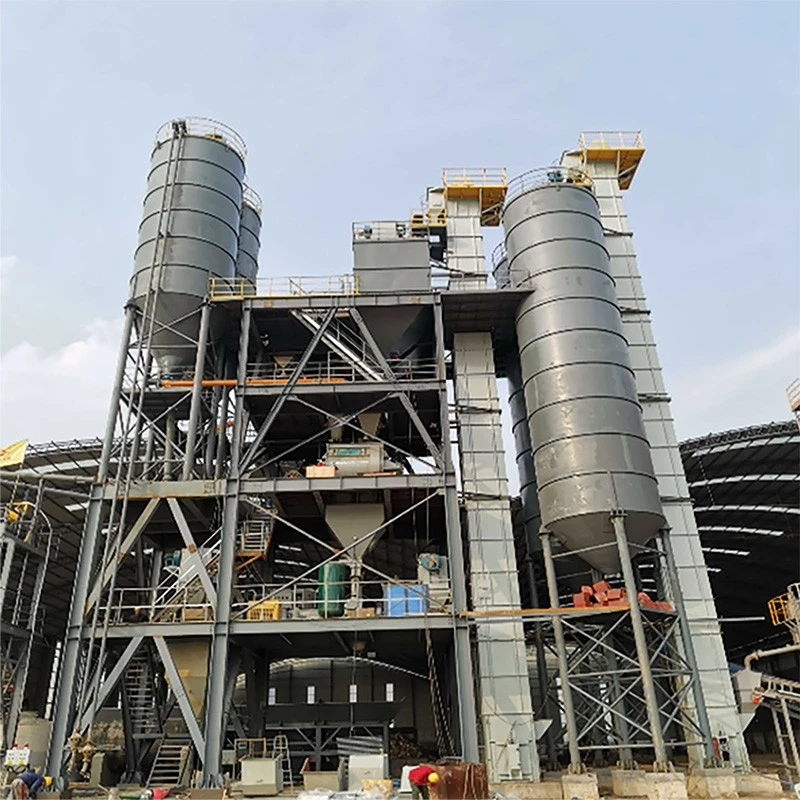
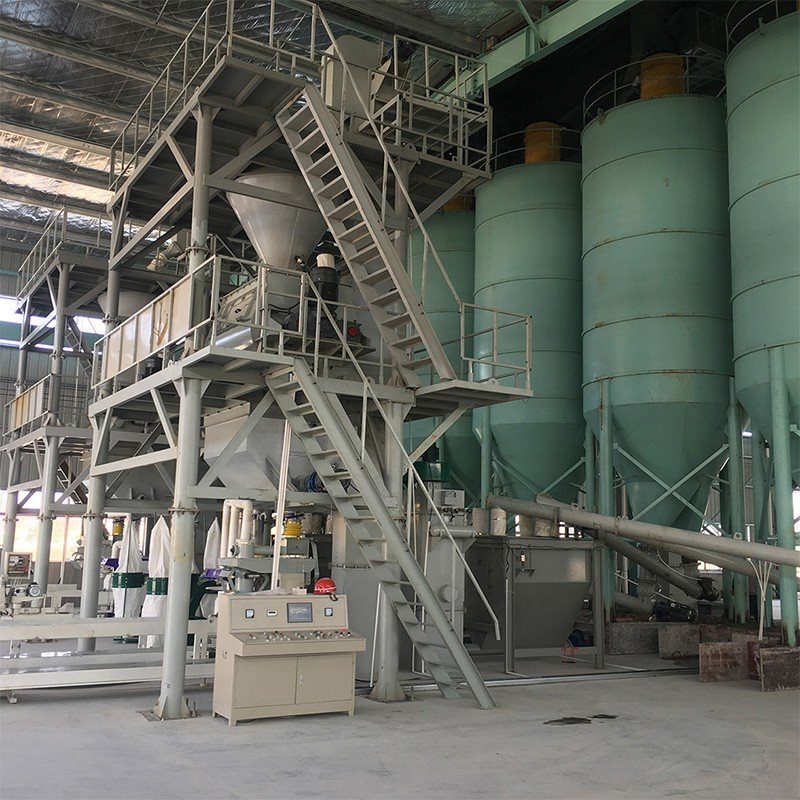
Zhengzhou Tongding Machinery Equipment Co., Ltd. is one of the leading manufacturers and suppliers of self-leveling mortar production line in China. We are committed to providing high quality customized products with competitive price. If you're going to buy durable self-leveling mortar production line made in China, welcome to get pricelist from our factory. 5 years warranty is available.
Product Introduction
The Self-Leveling Mortar Production Line is an automated production system specially designed for manufacturing gypsum-based self-leveling mortar, cement-based self-leveling mortar, and other dry-mixed self-leveling materials.
Self-leveling mortar is a high-performance flooring material with excellent flowability, self-leveling properties, bond strength, and wear resistance.
It is widely used for flooring applications in industrial plants, commercial buildings, residential buildings, warehouses, parking areas, underfloor heating systems, and other construction projects.
Equipment List and Specifications
Depending on the product type and customer formulation, self-leveling mortar typically consists of:
- Cement: The primary binder, providing basic strength.
- Dry Sand / Quartz Sand: Provides the aggregate skeleton and volume while improving the mechanical properties of the material.
- Calcium Carbonate: Improves filling properties and workability.
- Redispersible Polymer Powder (RDP): Improves bond strength, flexibility, and crack resistance.
- Cellulose Ether (HPMC): Improves water retention, rheological properties, and workability.
- Superplasticizer: Improves flowability while reducing water consumption.
- Retarder: Adjusts the setting time and provides sufficient working time for construction.
- Defoamer: Reduces air bubbles generated during mixing and application, improving the surface quality of the finished floor.
- Other Functional Additives: Used to adjust flowability, setting time, strength, durability, and other product performance characteristics.
For gypsum-based self-leveling mortar, gypsum is generally used as the primary binder, together with appropriate retarders, water-retention agents, defoamers, and other functional additives according to the formulation.
Detailed Operating Sequence
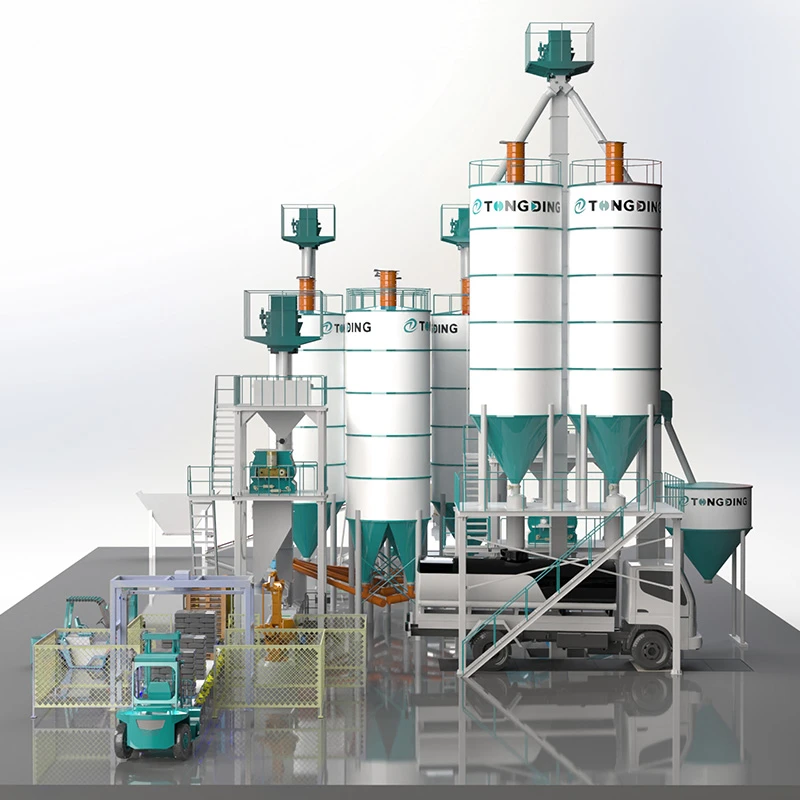
Wet Sand Drying → Raw Material Storage → Conveying → Batching & Weighing → Lifting → Pre-Mixing → Main Mixing → Finished Product Storage → Weighing & Packing
Raw Material Feeding
Cement, sand, fillers, and various additives are separately stored in the corresponding silos or storage equipment.
Raw Material Conveying
The raw materials are conveyed to the designated locations by screw conveyors, bucket elevators, or pneumatic conveying systems.
Batching & Weighing
According to the preset formulation, the cement, sand, fillers, and additives are automatically weighed and batched to ensure accurate proportions of all components.
Lifting & Feeding
After one batch of materials has been accurately batched, the materials are conveyed to the pre-mixing bin or main mixer by a bucket elevator or other conveying equipment.
Pre-Mixing
For certain formulations, a pre-mixing process can be used to initially disperse and distribute raw materials with different particle sizes and micro-additives.
Main Mixing
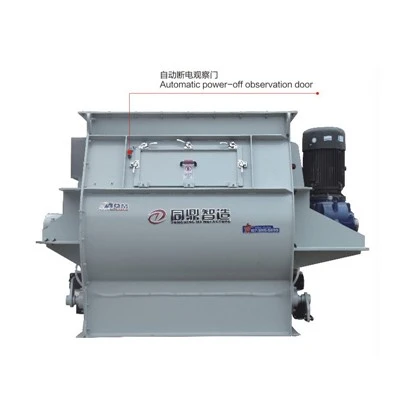
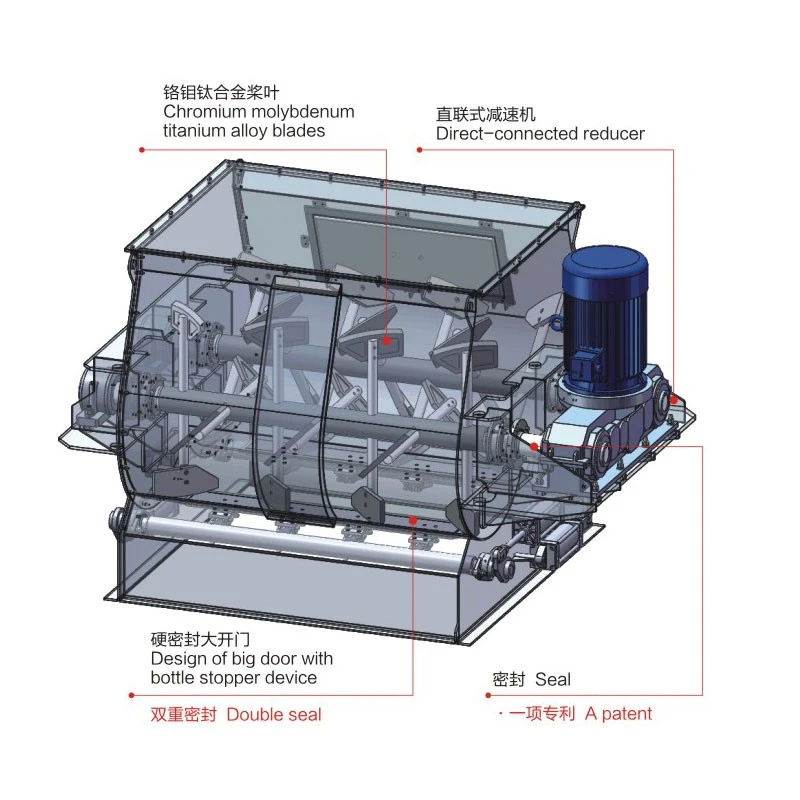
The materials enter the high-efficiency twin-shaft mixer for thorough mixing, ensuring that the cement, sand, fillers, and micro-additives are uniformly distributed throughout the mixture.
Finished Product Storage
After mixing, the finished self-leveling mortar is discharged into the finished product silo or bin for temporary storage before packing.
Weighing & Packing
The finished product is accurately weighed and packed by an automatic weighing and packing machine. According to the customer's requirements, the packaged products can then be conveyed, palletized, and stretch-wrapped.
Specification and Parameter
|
Model |
Capacity (T/H) |
Volume (m3) |
Loading Factor |
Power (KW) |
Rotary speed (r/min) |
Mixing time (min) |
Dimension(L*W*H) (mm) |
|
|
WSZ2 |
10-15 |
2 |
0.4-0.6 |
18.5 |
43 |
0.5-3 |
2460*1640*1520 |
|
|
WSZ3 |
15-25 |
3 |
22 |
2850*1640*1520 |
||||
|
WSZ4 |
25-40 |
4 |
30 |
29 |
2800*2110*1950 |
|||
|
WSZ6 |
60-120 |
6 |
45 |
3130*2470*2120 |
||||
|
WSZ10 |
100-170 |
10 |
55 |
3600*3000*2510 |
||||
|
The type of mortar that can be produced by a machine |
||||||||
|
1.Masonry mortar |
2.Plastering mortar(bottom) |
|||||||
|
3.Floor mortar |
4.Adhesive mortar(stupid board glue) |
|||||||
|
5. Wall tiles adhere to mortar |
6.Caulking agent mortar(black) |
|||||||
|
7.Caulking agent mortar(cream-coloured) |
8.Caulking agent mortar(white) |
|||||||
|
9.Seaming agent mortar |
10.General non-shrinkage grouting material |
|||||||
|
11.Thermal mortar |
12.Glue for tile ,good cement |
|||||||
|
13.Self-leveling mortar |
14.Inter facial mortar |
|||||||
|
15.Cement plaster mortar |
16.Whitewashed plaster(bottom) |
|||||||
|
17.Waterproof paint |
18.External putty powder |
|||||||
|
19.Internall wall putty powder |
20.Emulsion varnish |
|||||||
|
21.Really stone paint |
22.Other powder material |
|||||||
Quality Control
To ensure consistent quality of self-leveling mortar, a three-level quality control system is recommended, covering raw materials, the production process, and finished products.
Raw Material Inspection
Raw materials should be inspected before entering the production line, mainly including:
- Cement grade and quality
- Sand particle size and moisture content
- Fineness of fillers
- Quality of additives such as RDP and HPMC
- Whether raw materials are damp, agglomerated, or contaminated
For sand, particular attention should be paid to its moisture content and particle size distribution, as these factors can affect batching accuracy and the final flowability of the product.
Production Process Inspection
The following parameters should be monitored during production:
- Weighing accuracy of each raw material
- Formulation ratios
- Mixing time
- Mixing uniformity
- Equipment operating status
- Finished product discharge condition
The PLC control system can record key production parameters, helping improve production stability and product traceability.
Finished Product Inspection
Finished products can be tested according to the customer's product specifications and applicable standards. Common testing items include:
- Flowability / Flow Spread
- Setting Time
- Compressive Strength
- Flexural Strength
- Bond Strength
- Surface Quality
- Dimensional Stability / Shrinkage
The specific testing items and applicable standards should be determined according to the customer's country, product type, and target market.
Hot Tags: self-leveling mortar production line, China self-leveling mortar production line manufacturers, suppliers