
Quality and Efficiency Advantages
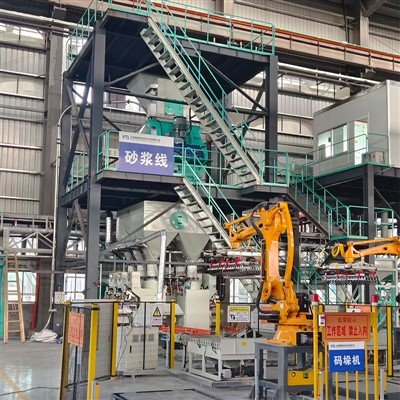
High Mix Precision: Computerized automatic control systems handle material weighing, ensuring minimal measurement errors for aggregates, cement, water, and admixtures. Real-time monitoring of aggregate moisture content allows for dynamic water adjustment, guaranteeing consistent concrete strength and eliminating human error associated with manual batching.
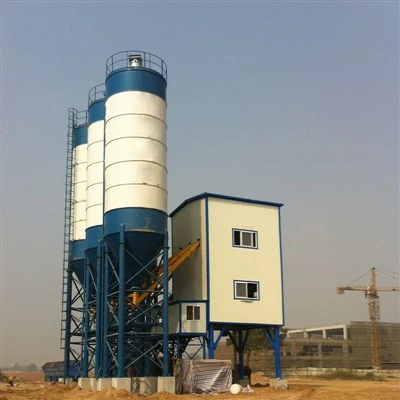
High Production Capacity: High levels of mechanization and automation enable continuous, stable operation. Output far exceeds that of manual methods or small-scale mixers; specifically, mixing towers offer approximately 33% higher efficiency than standard mixing plants, meeting the continuous pouring demands of large-scale projects.
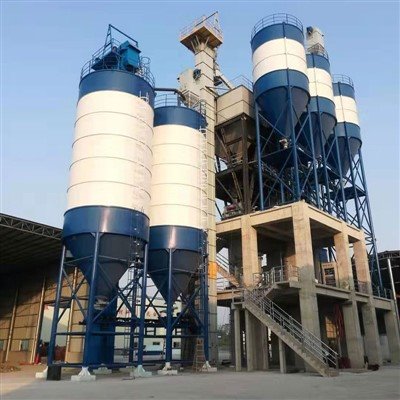
Superior Mixing Performance: Equipped with a twin-shaft forced mixer, the system ensures thorough blending for various concrete types-including dry-stiff and plastic mixes-resulting in high uniformity and consistent product quality.
Low Labor Costs: The entire process-loading, mixing, and discharging-is automated. Workers simply monitor equipment operation, significantly reducing labor intensity and the number of personnel required on-site.
Environmental and Cost Advantages
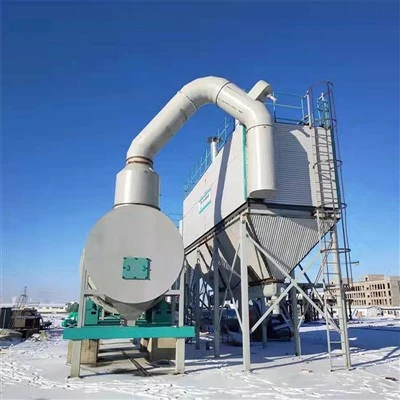
Controllable Emissions: Powder handling operates in a fully enclosed system. Combined with pulse-jet bag dust collectors and noise suppression devices, dust and noise pollution are drastically reduced, meeting strict urban environmental standards and avoiding shutdowns or rectification orders due to non-compliance.
Reduced Material Waste: Precise metering significantly cuts down on raw material loss (such as cement). Integrated slurry and water recovery systems process wash water and waste concrete for reuse in production, enabling resource recycling.
Compact Footprint: There is no need for large on-site stockpiles of sand, gravel, or cement, saving valuable construction space and making the plant suitable for tight urban sites.
Strong Long-Term Economics: Although the initial equipment investment is higher, significant savings on labor, material waste, and environmental rectification costs result in a lower total cost of ownership over the equipment's lifecycle.